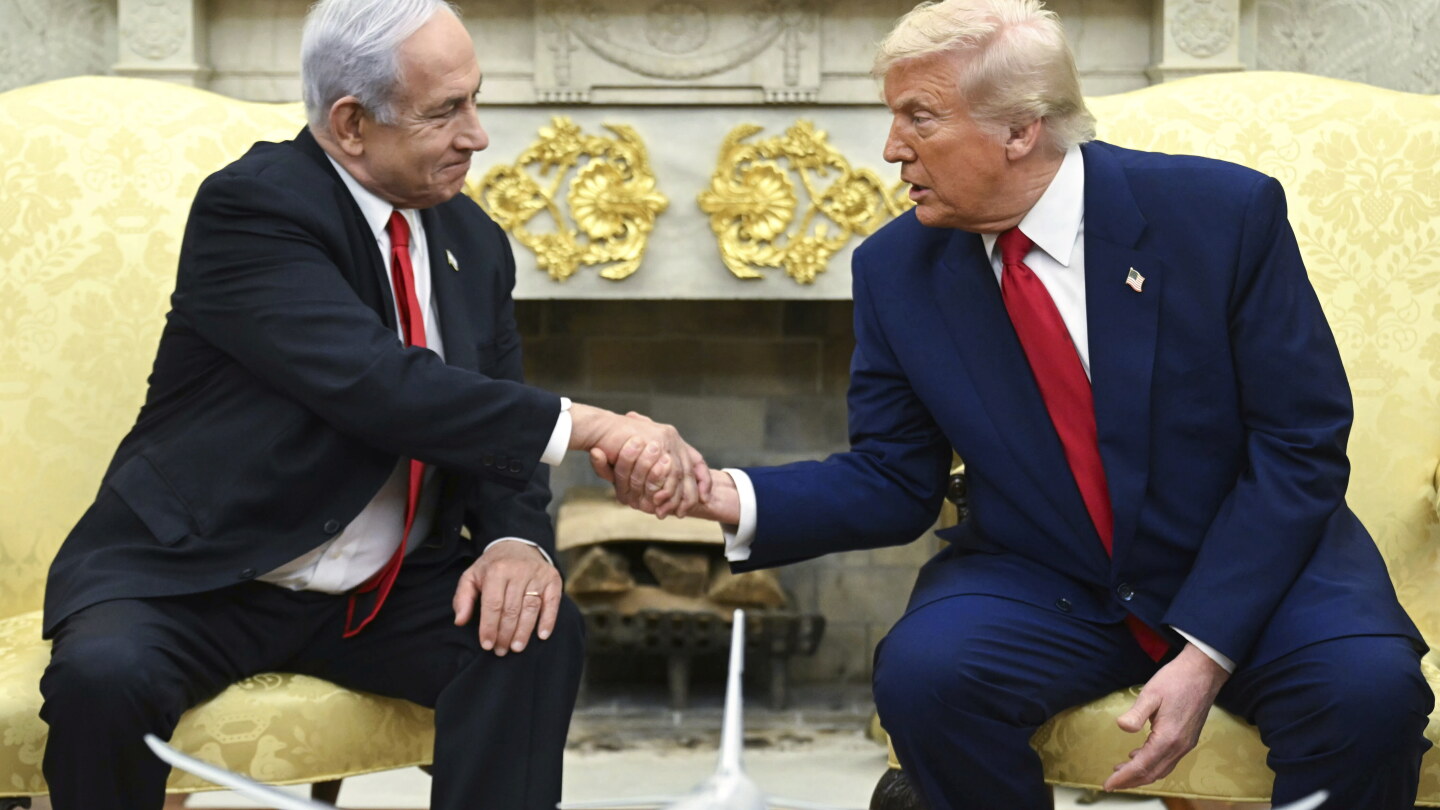
A sudden proposal to halt $4 billion in annual U.S. assistance to Israel by 2027 has sent shockwaves through international diplomatic circles and domestic political arenas. Under the suggested plan, direct financial and military aid would cease, transitioning the long-standing security arrangement into a purely commercial weapons-sales relationship.
The announcement comes at a pivotal moment, as debates over the scale of foreign spending and American involvement in Middle Eastern conflicts reach a fever pitch. While proponents frame the shift as a necessary fiscal step and a move toward financial independence for an ally, critics and foreign policy analysts remain deeply skeptical about the timing and feasibility of such a fundamental pivot.
A Shift From Direct Aid to Commercial Sales
For decades, the United States has provided billions in annual military funding to Israel, a cornerstone of American foreign policy in the region. Recent academic estimates indicate that total U.S. military assistance and related regional security expenditures have surged significantly in recent years, making any proposed cut a dramatic shift in established practice.
According to statements detailing the plan, the move would not end access to American defense technology, but would instead shift the arrangement to standard sales and barter agreements. The proposal claims that the idea originated in discussions with Israeli leadership, suggesting that the country's economy is strong enough to transition away from direct assistance.
However, legal experts emphasize that foreign aid commitments of this magnitude are bound by statutory frameworks and congressional appropriations. Any permanent reduction or restructuring would require agreement from lawmakers, many of whom regard security assistance to key allies as non-negotiable.
Strategic Timing and Political Maneuvering
The announcement's timing—arriving amid intense legislative campaigns and coalition negotiations abroad—has led many observers to view the statement through a lens of political survival and tactical posturing. Critics argue the move is designed to appeal to domestic voters weary of foreign spending, while simultaneously altering the leverage in ongoing foreign leadership negotiations.
Skepticism surrounding the claim that foreign partners requested an end to aid has been particularly sharp. Observers note that such an initiative would be highly unusual for any government reliant on international security guarantees.
"The president said Israeli Prime Minister Benjamin Netanyahu had approached him about the idea."
LMAO. Yeah on the list of things that have never happened in this history of ever, this gotta be number 1.
Others speculate that the motivation could involve domestic political tactics aimed at influencing fragile political coalitions or shifting public sentiment on broader regional engagements.
"Maybe because BiBi knows he's not going to be in power, and wants to screw the next guy in?"
"Netanyahu is saying that for some time. 4 billion are a lot of money, but it's tiny compared to what the US spends to fight the Iran war for them. He probably hopes that by getting rid of that money, he can move US public opinion to be more favorable to him."
Public Reaction and Real-World Constraints
Public reaction to the proposal has ranged from disbelief to concerns about economic and strategic blowback. Defense sector analysts point out that replacing direct aid with commercial sales could impact U.S. defense contractors who rely on government-backed foreign procurement programs.
Furthermore, many commentators view the commitment as performative, noting that previous promises regarding rapid shifts in complex foreign policy have frequently faltered when faced with legislative and geopolitical realities.
"What they actually mean is they will no longer call that money aid. Still sending it, just not calling it aid anymore."
"This won’t happen. If I had four billion, I’d bet on it. That money’s mandated by law."
Whether the proposal develops into actionable policy or remains a high-stakes talking point, it highlights growing tensions over U.S. foreign spending. As legislative calendars advance and international alliances face renewed scrutiny, the balance between strategic aid and national fiscal priorities remains one of the most contentious issues in modern governance.


